Oliver Shaw, Food & Drink Writer
Despite challenges across the hospitality industry, a new generation of food-led pubs is redefining the capital’s most iconic dining format.
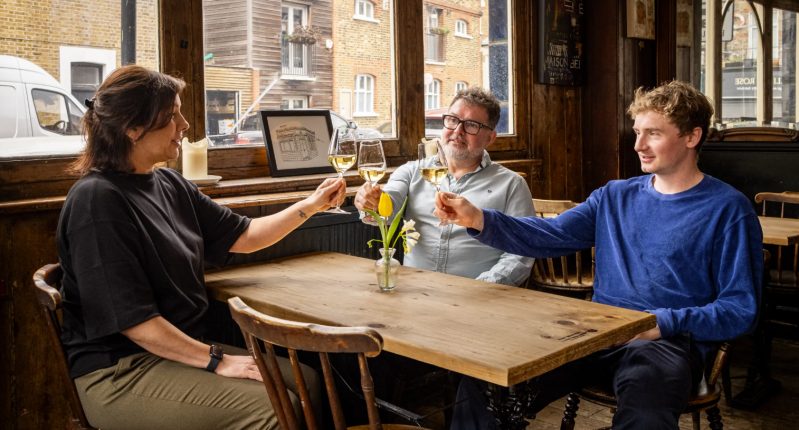
London’s pubs have long been the beating heart of neighbourhood life, but in recent years a new style of venue has begun reshaping the city’s pub scene. A wave of food-focused gastropubs is emerging across the capital, blending traditional pub culture with ambitious restaurant-quality cooking.
One of the latest openings comes from chef Jamie Younger, who is launching The Victory in East Dulwich. The new pub takes over the site formerly occupied by the much-loved restaurant Franklins, continuing the building’s legacy as a local dining destination while shifting toward a modern pub format.
Younger is not alone in betting on the pub’s next chapter. Across London, hospitality groups and restaurateurs are increasingly investing in what some industry insiders have begun calling “gastropub 2.0.”
These venues combine the relaxed atmosphere of traditional pubs with menus that would not feel out of place in a contemporary restaurant — think seasonal European cooking, natural wines and carefully curated beers.
New openings such as The Latimer in Notting Hill, created by the Spiteri family, are also part of this trend. Their approach reflects a broader shift in London dining: many people now prefer casual settings that still offer serious food.
That evolution has quietly transformed how Londoners eat out.
Where gastropubs once sat somewhere between pub and restaurant, many now operate as neighbourhood dining rooms. Lunch crowds mix with families, evening drinkers and diners, creating venues that feel lively throughout the day.
Several factors are driving the resurgence. Rising restaurant costs and changing consumer habits have pushed chefs to explore more flexible formats. Pubs offer larger spaces, relaxed service styles and a built-in sense of community.
At the same time, Londoners continue to value the social role of pubs — places where people gather not just to eat but to spend time together.
What makes the new generation interesting is the way it balances innovation with tradition. Classic pub elements — wooden interiors, pints at the bar and bustling dining rooms — remain intact, but menus often showcase seasonal produce, inventive dishes and contemporary cooking techniques.
In many ways, the modern gastropub reflects London itself: rooted in history yet constantly evolving.
For diners, it means something simple but exciting — the chance to enjoy high-quality food in one of the city’s most familiar and welcoming settings.