Marcus Fielding, Food Writer
A new food market is arriving beside the future London Museum at Smithfield, bringing fresh life to one of the capital’s most historic districts.
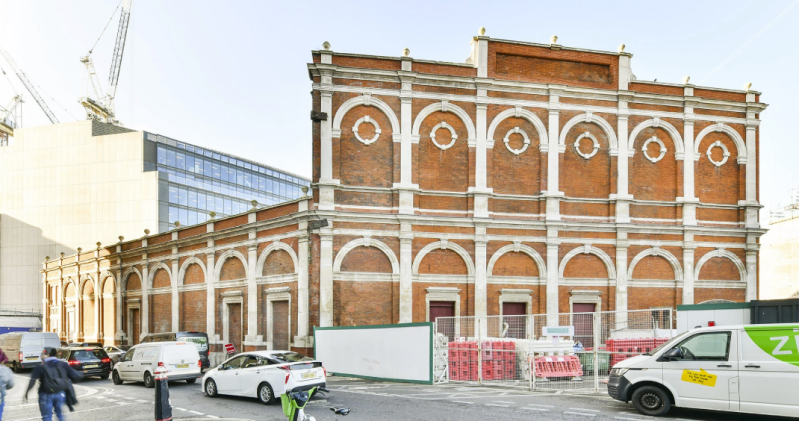
London’s food scene has never been static. From street markets to ambitious restaurant openings, the city constantly reinvents how and where people eat. Now the Square Mile is preparing for another shift with the arrival of a new food market at Smithfield, right beside the upcoming London Museum.
The stalls will form the first phase of a wider redevelopment of the historic market buildings, transforming former annexe spaces into a new public destination focused on food, culture and community.
For Londoners familiar with Smithfield primarily as a historic meat market, the development signals a new chapter for the area. The district has long been steeped in culinary heritage — meat trading has taken place there for centuries — but the surrounding neighbourhood is now evolving into a broader cultural hub.
The arrival of the London Museum, which will occupy the former Smithfield market buildings, is central to that shift. When it opens, the museum will move from its current Barbican home into a dramatically redesigned complex celebrating the capital’s history.
The food market sits naturally alongside that vision. Markets have always been part of London’s story, offering spaces where commerce, community and culture overlap. In recent years, the success of destinations like Borough Market, Seven Dials Market and Market Halls has demonstrated how powerful that formula can be.
Smithfield’s new food stalls aim to bring similar energy to the Square Mile — a part of London traditionally associated with office workers but increasingly welcoming residents, visitors and weekend crowds.
The wider transformation of the area reflects a bigger shift happening across the capital. Historic districts are being reimagined not just as places to work, but as places to spend time. Food markets, cultural venues and public spaces play a crucial role in that evolution.
For visitors, the appeal is obvious: a place where history, architecture and contemporary food culture meet. Smithfield’s striking Victorian market halls already provide one of London’s most atmospheric backdrops for events and dining.
For Londoners who work nearby, the new stalls will also add something simple but valuable — more choice at lunchtime, and more reasons to linger after work.
Markets often succeed because they feel informal and democratic. Instead of a single restaurant experience, they offer a collection of independent vendors and changing menus that reflect the city’s diversity.
That spirit has always been part of London’s culinary identity. The Smithfield development simply gives it a new home in one of the city’s oldest food districts.
As London continues to evolve, projects like this show how the capital blends heritage with reinvention — creating new places to gather while keeping the stories of the city alive.