Rebecca Collins, Urban Affairs Writer
Once known purely as London’s financial district, Canary Wharf is evolving into a cultural and lifestyle hub - and the transformation is accelerating.
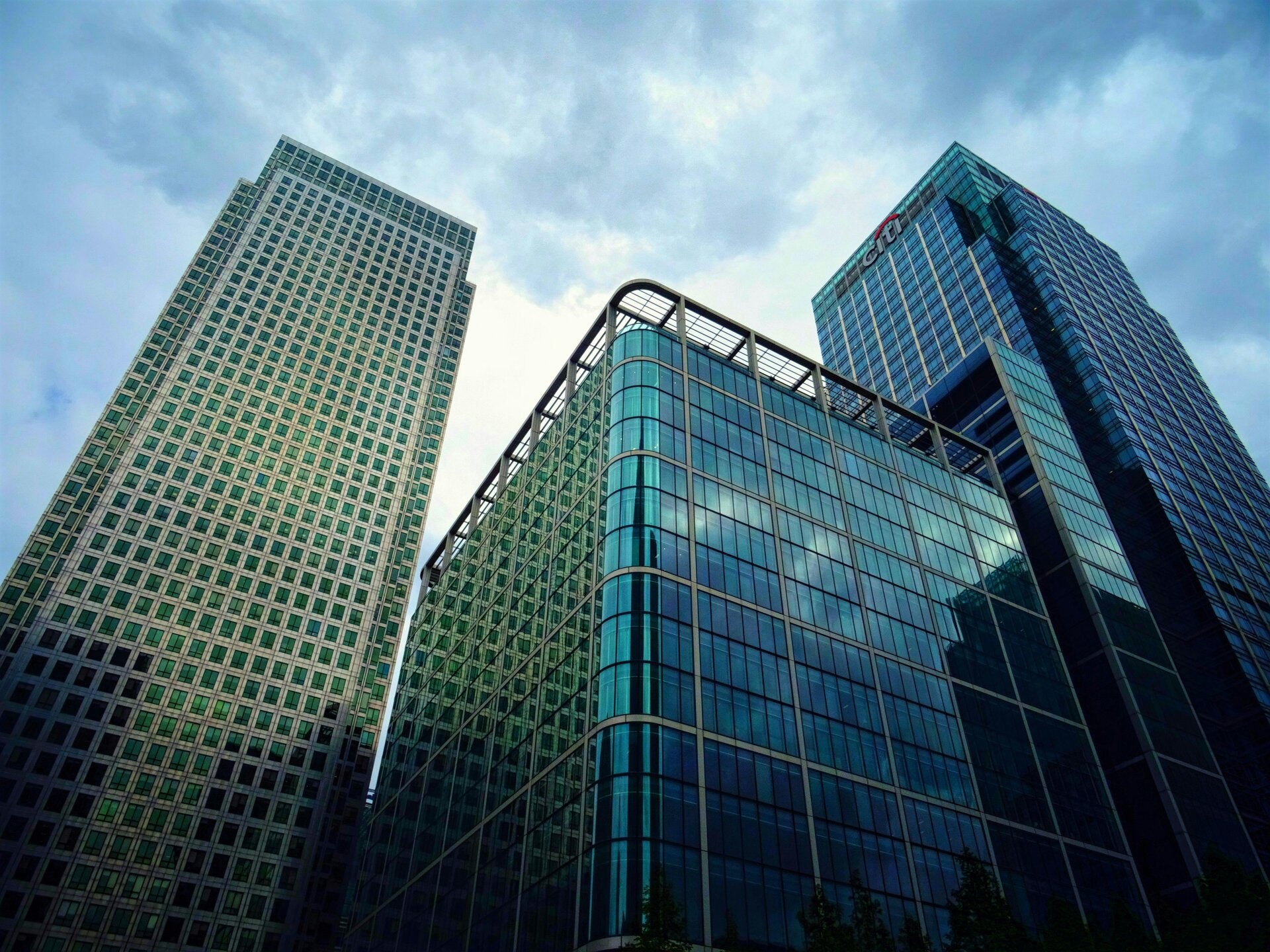
For decades, Canary Wharf was defined by glass towers, financial institutions and weekday commuters. But today the east London district is undergoing one of the most ambitious urban reinventions in the capital.
Recent developments show how dramatically the area is changing. A wave of new projects — including an open-air swimming pool, theatres, rooftop bars, restaurants and large-scale public art installations — is reshaping Canary Wharf into a vibrant mixed-use destination.
Developers have described the transformation as “Canary Wharf 4.0”, reflecting a shift away from the area’s traditional identity as a purely financial district.
One of the most striking additions is Sea Lanes, a new outdoor swimming pool that brings a touch of seaside culture to the Docklands skyline. In a city where outdoor swimming spots are increasingly popular, the arrival of a central urban lido represents a major new attraction.
But the changes extend far beyond leisure facilities. A new 1,200-seat theatre is also part of the redevelopment plans, alongside rooftop gardens, public spaces and an expanding food scene.
Restaurants, cafés and bars have multiplied across the estate, drawing a growing weekend crowd that once would have headed elsewhere in London.
Public art has also become a major focus. More than 100 artworks are now installed throughout the district, turning streets and plazas into an open-air gallery that encourages exploration.
At the heart of the transformation is a strategic decision by Canary Wharf Group to diversify the area’s economy. Financial companies once dominated the estate, but their share of office space has fallen to around 55 percent, making room for new sectors including life sciences, technology and creative businesses.
Residential development is another key part of the vision. New housing projects are expected to significantly increase the local population, helping the district function more like a neighbourhood than a commuter zone.
The result is a very different Canary Wharf from the one Londoners once knew. Instead of empty streets after office hours, the area increasingly buzzes with activity throughout the evening and weekend.
For visitors, the changes make Canary Wharf a far more compelling destination. Waterfront promenades, green spaces and outdoor dining terraces now sit alongside the iconic skyscrapers.
It also reflects a wider trend across London: formerly single-purpose districts are being redesigned as mixed-use neighbourhoods where people can live, work and spend leisure time in the same place.
As the transformation continues, Canary Wharf may soon become one of the capital’s most interesting examples of how cities evolve — blending finance, culture and everyday life in a way that feels unmistakably London.