Olivia Grant, City Life Writer
From cheering crowds on Tower Bridge to a surge in social running clubs, the London Marathon has evolved far beyond a race. It’s become one of the capital’s biggest communal moments — and the numbers behind it are extraordinary.
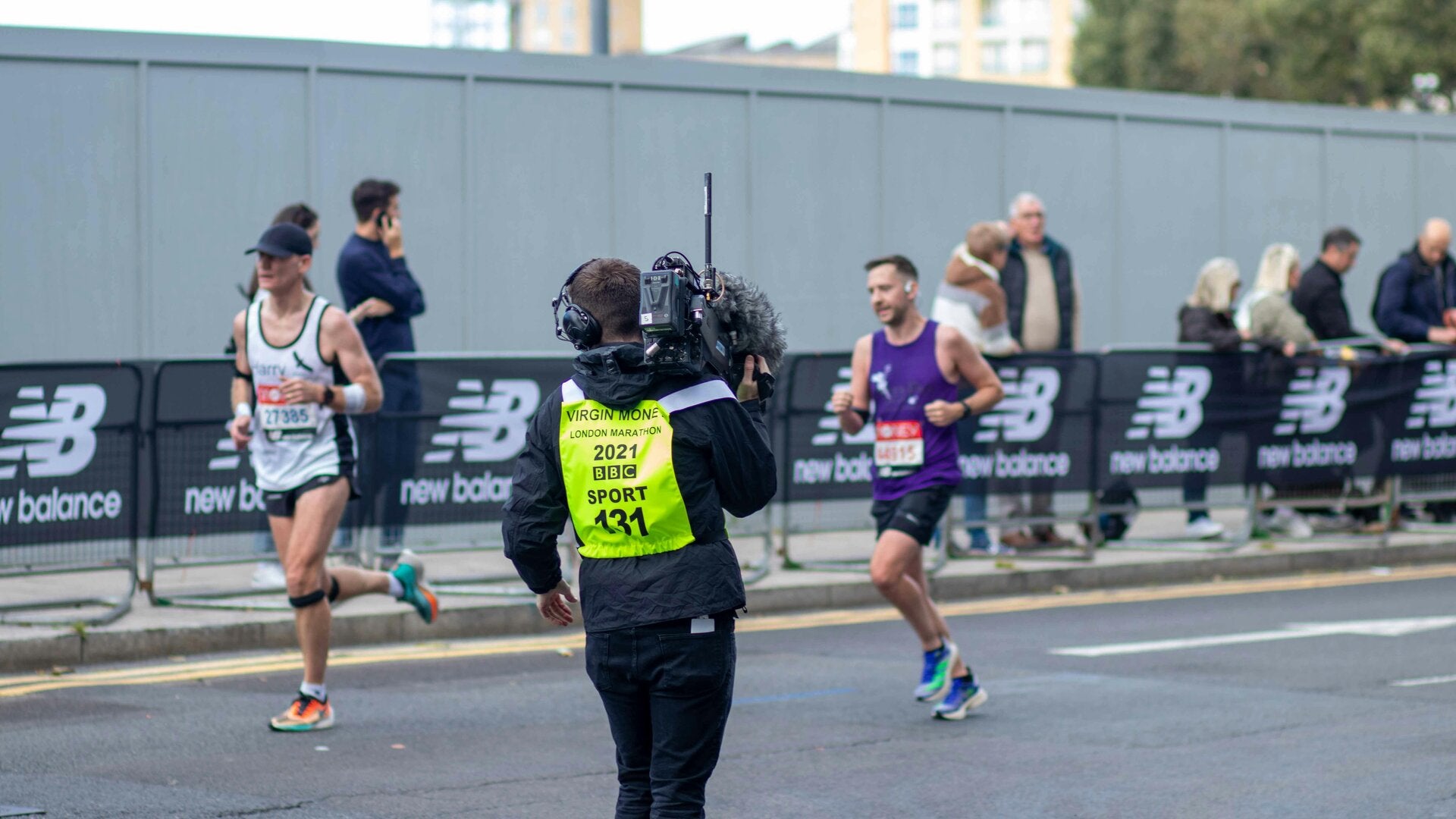
Every spring, London becomes a stage for one of the world’s most iconic sporting events. But in recent years the London Marathon has grown into something much bigger than a race — it’s now a cultural moment that brings the city together in a uniquely London way.
The latest figures illustrate just how dramatically the event has grown. According to recent reporting, more than one million people applied for places in the upcoming London Marathon, with around 850,000 of those applications coming from the UK. Perhaps most striking is who is driving that growth: a third of applicants are aged 18–29, and women now make up the majority of entrants.
This surge reflects a wider shift happening across the city. Running, once associated primarily with elite athletes or solitary early-morning joggers, has become a vibrant social culture. Across London, neighbourhood run clubs now meet in parks, along canals and outside cafés — combining exercise with community.
The marathon has become the annual high point of that culture. On race day, London’s streets transform into a city-wide festival. Spectators line the route from Greenwich through Tower Bridge to Canary Wharf and along the Embankment, cheering runners from around the world. For many Londoners, watching the marathon is almost as important as running it.
The atmosphere is part street party, part collective endurance test. Music plays from speakers along the route, charity teams gather in colourful groups, and residents step outside with homemade signs and snacks for runners.
Even for those who aren’t participating, the event offers one of the most uplifting days in the London calendar. Entire neighbourhoods organise viewing spots, while cafés and pubs along the route fill up with supporters.
Charity fundraising is another huge part of the marathon’s impact. Each year the event raises tens of millions of pounds for causes ranging from medical research to community organisations. That charitable dimension helps explain why so many Londoners feel personally connected to the race.
The boom in applications has even prompted organisers to consider expanding the event further. One idea currently being explored is a potential two-day marathon format by 2027, allowing even more runners to participate and increasing the event’s fundraising potential.
At the same time, marathon culture is influencing the city’s everyday life. Running brands, cafés and wellness events have embraced the trend, while London’s parks and river paths have become informal training grounds for thousands of amateur athletes.
But perhaps the marathon’s greatest success lies in how it reflects London itself: diverse, energetic and community-driven. On marathon weekend, the city becomes a place where elite athletes, first-time runners and cheering spectators share the same streets — and the same sense of achievement.
Whether you’re chasing a personal best or simply clapping from the sidelines, the London Marathon has become one of the capital’s most powerful reminders of what makes the city special.